Image Slider
Explore Kerala Holiday Packages

Adventure Tour Packages
Explore Rajasthan Holiday Packages
Indian Wildlife Tour Packages
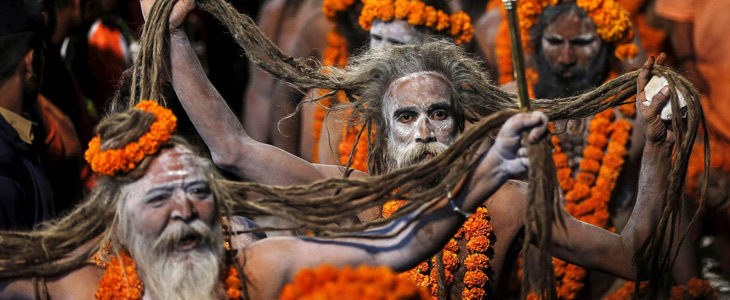
Maha Kumbh Mela Tour Package
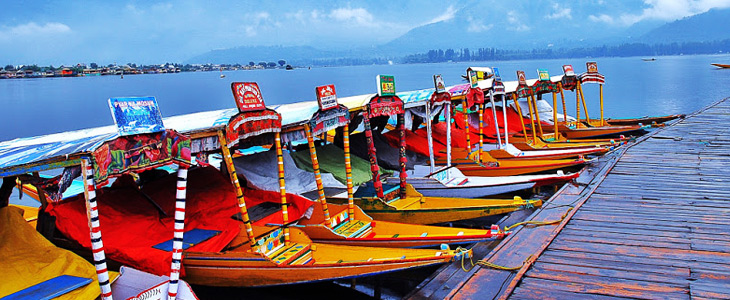
Explore Kashmir Holiday Packages
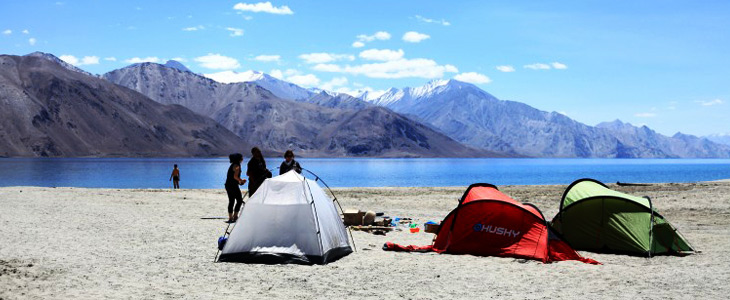
Camp Holiday Tour Packages

Goa Holiday Tour Packages

Trekking Tour Packages
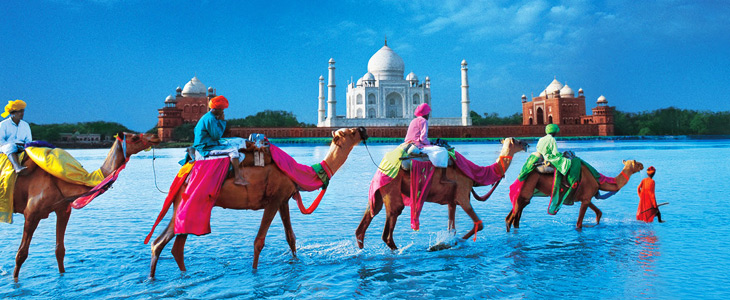
Golden Triangle Tour Package
Same Day Jaipur Tour by Train
A Same Day Jaipur Tour from Delhi by train is the perfect way to explore the Pink City of India, Jaipur, in a short time span. This tour is perfect for those who want to enjoy the beauty of Jaipur but have limited time. Jaipur is a culturally rich city that is famous for its palaces, forts, and vibrant markets. The city is situated around 260 km from Delhi and can be easily reached by train.
The Same day Jaipur Tour by Train starts with an early morning pickup from your hotel in Delhi, followed by a transfer to the railway station to board the superfast Shatabdi Express train. After a comfortable train ride, you will reach Jaipur by mid-morning.
On arrival, our local tour guide will greet you at the railway station and take you to visit the magnificent Amber Fort, which is located on a hilltop overlooking the city. The fort is a UNESCO World Heritage site and is known for its stunning architecture and intricate carvings. You can also enjoy a thrilling elephant ride to reach the entrance of the fort.
After visiting Amber Fort, the tour will take you to explore the city of Jaipur. You will visit the iconic Hawa Mahal, also known as the Palace of Winds, which is a five-story palace with 953 small windows. You can also visit the City Palace, which was the residence of the Maharaja of Jaipur and now houses a museum showcasing royal costumes, weapons, and artifacts.
You will then be taken to visit Jantar Mantar, which is the largest stone observatory in the world, built in the early 18th century by Maharaja Jai Singh II. You can witness the astronomical instruments that were used for measuring time, predicting eclipses, and tracking stars in the sky.
The Same day Jaipur Tour Package also includes a visit to the local markets where you can shop for handicrafts, jewelry, and textiles. Jaipur is famous for its vibrant markets like Johari Bazaar, Tripolia Bazaar, and Bapu Bazaar, where you can find unique souvenirs to take back home.
After exploring the markets, you will be transferred to the railway station to board the train back to Delhi. On arrival in Delhi, you will be picked up and dropped off at your hotel, marking the end of your Short Weekend Jaipur Tour.
The Same day Jaipur Tour by Train is an excellent option for those who are looking to explore the beauty of Jaipur in a limited amount of time. This tour is ideal for those who want to experience the rich cultural heritage of the city and visit its popular landmarks without spending a lot of time on travel.
Same Day Jaipur Tour Package
05 : 00 HRS : The same DAY Jaipur tour begins at 05:00 HRS, when a driver will pick you up from your hotel in New Delhi and take you to the railway station to board the air-conditioned Shatabdi train.
10 : 45 HRS : At 10:45 HRS, you will arrive in Jaipur, where a guide will meet you at the station and escort you to the hotel.
11 : 00 HRS : After using the retiring room, you will proceed to the Amber Fort at 11:00 HRS. Here, you can enjoy an elephant ride to climb the fort and explore its stunning architecture.
13 : 00 HRS :After that, you will have a buffet lunch at a five-star hotel at 13:00 HRS.
14 : 30 HRS : After lunch, you will visit the observatory and the City Palace. The City Palace, a former royal residence, is a blend of traditional Rajasthani and Mughal architecture and craftsmanship. It occupies one seventh of the walled city and comprises a string of minor palaces and imposing halls. You will also visit the Hawa Mahal, also known as the Palace of Winds, which has specially latticed screens and arches for an unbridled flow of air currents. The evening will be spent at a local market, known for handicrafts and gems.
17 : 15 HRS : Transfer to the railway station to board shatabdi Express train back to Delhi.
17 : 50 HRS : you will be transferred to the railway station to board the Shatabdi Express train back to Delhi. Dinner will be served on board the train
22 : 44 HRS : you will arrive in New Delhi, where you will be met by a driver who will transfer you to your hotel. During your tour, you will have the opportunity to explore major attractions in Jaipur, including the Amber Fort, Jaigarh Fort, Jantar Mantar, and Hawa Mahal.
Major Attractions of Jaipur
Amber Fort:
Amber Fort is a must-visit attraction for anyone traveling to Jaipur. Its impressive architecture, rich history, and stunning location make it a popular destination for tourists. The fort-palace complex is made up of several buildings and courtyards, each with its own unique features and attractions.
One of the highlights of the fort is the Diwan-i-Am, or Hall of Public Audience. This grand hall was used by the Maharaja to meet with the public and to hold court. Its double row of columns and latticed galleries above create an impressive and imposing space.
Another notable feature of the fort is the small Kali Temple, which can be reached by climbing steps to the right of the Diwan-i-Am. This temple is dedicated to the goddess Kali and features intricate carvings and decorations.
Visitors can also explore the various courtyards, gardens, and other buildings within the fort, such as the Sheesh Mahal or Hall of Mirrors, which features thousands of tiny mirrors on its walls and ceiling.
Overall, a visit to Amber Fort is a must for anyone interested in history, architecture, or simply breathtaking views.
Jaigarh Fort:
Jaigarh Fort is also known as the "Fort of Victory" and was built by Maharaja Jai Singh II in the 18th century to protect the Amber Fort and the palace complex. The fort is situated on a hill called Cheel ka Teela (Hill of Eagles) and offers panoramic views of the surrounding Aravalli hills and the Amer Fort.
The fort is also famous for its underground water storage tanks that were used to provide water to the residents during times of war or drought. The tanks could store up to 6 million gallons of water and had a sophisticated system of channels and pipes that distributed the water throughout the fort.
The fort also houses a museum that displays a range of artifacts, including swords, guns, and other weapons used by the Rajputs. There is also a collection of antique coins and photographs of the royal family.
Visitors can also explore the palace complex within the fort, which includes a number of courtyards, halls, and chambers. One of the most impressive structures is the Diya Burj, a tower that was used to light up the entire fort complex during festivals and celebrations.
Jaigarh Fort was a center of artillery production for the Rajputs and it is home to the world’s largest cannon on wheels, the Jaivana. The foundries provide fascinating information for the visitors.The manner in which they drew in blasts of air from the desert is most intriguing.A 5 km long canal can be seen entering the fort complex to bring in water from the high hills and stor in the fort for the armymen.
Jantar Mantar:
The Jantar Mantar is a unique and impressive site, showcasing the astronomical knowledge and precision of the Indian people. Maharaja Jai Singh II's passion for astronomy led him to create this incredible collection of instruments, which remain marvels of engineering and scientific accuracy to this day.
Visitors to the Jantar Mantar can witness the immense Samrat Yantra, which stands tall at 90 feet and is the largest instrument in the collection. They can also explore the other thirteen instruments, each with its specific function for observing and measuring celestial bodies and events.
The Jantar Mantar is not only a scientific site but also a cultural and historical one. Its construction and design reflect the blending of Indian and Islamic influences, and its continued preservation is a testament to the country's commitment to its heritage.
Overall, a visit to the Jantar Mantar is an excellent opportunity to witness the impressive scientific achievements of ancient India and to appreciate the country's rich cultural and historical legacy.
Hawa Mahal:
The Hawa Mahal is a five-story building with a façade that resembles the honeycomb of a beehive. The palace was built to allow the royal ladies of the court to observe the daily life and festivals of the city while remaining unseen by the public. The façade has 953 small windows or jharokhas, which are decorated with intricate lattice work. These jharokhas were designed to keep the palace cool even during the hot summer months. The palace also has a small museum that displays artifacts and items of historical importance. The top of the palace offers a panoramic view of the city. It is one of the most popular tourist attractions in Jaipur and a must-visit for those interested in architecture and history.
City Palace:
The City Palace of Jaipur is a magnificent complex of palaces, courtyards, gardens, and buildings. It was built by Maharaja Sawai Jai Singh II in the 18th century and has been expanded and renovated by his successors over the years. The palace complex is a beautiful blend of Rajasthani and Mughal architectural styles, with intricate carvings, delicate inlays, and beautiful paintings.
The Chandra Mahal, or Moon Palace, is the most impressive building in the complex, with seven floors of stunningly decorated rooms and halls. It is still the residence of the royal family of Jaipur and is not open to the public, but visitors can explore the other parts of the palace complex.
The palace museum, located in the Mubarak Mahal, is home to an extensive collection of royal costumes, textiles, weapons, and other artifacts. The museum also has a large collection of miniature paintings, which are some of the finest examples of Rajasthani art.
The palace complex also has several beautiful gardens, including the Mughal Gardens and the Jai Niwas Gardens. These gardens are beautifully landscaped and provide a peaceful escape from the bustling city. Overall, the City Palace is a must-visit destination for anyone visiting Jaipur.
Same Day Jaipur Tour Cost
US $ 125 PER PERSON (Minimum 02 Person Required)
Single Person Travelling : US $180
Price includes:
- Train tickets for Delhi-Jaipur-Delhi in air conditioned chair car.
- All transfers, sightseeing by exclusive airconditioned car.
- Professional government approved English speaking guide.
- Buffet Lunch at Five star hotel.
- Breakfast and dinner in the train.
- Elephant ride charges at Amber fort
- Taxes and parking.
Price does not include :
- Entrance fees to the Monuments.
- Camera fees etc.